
Cranksets
Power transfer efficiency determines whether your pedaling effort translates into forward motion or dissipates through drivetrain flex and noise. RACEWORK Cranksets combine rigid construction with premium materials to deliver the efficient power transfer racers and serious cyclists depend upon. Browse all models at the official store and order online at competitive pricing backed by manufacturer warranty.

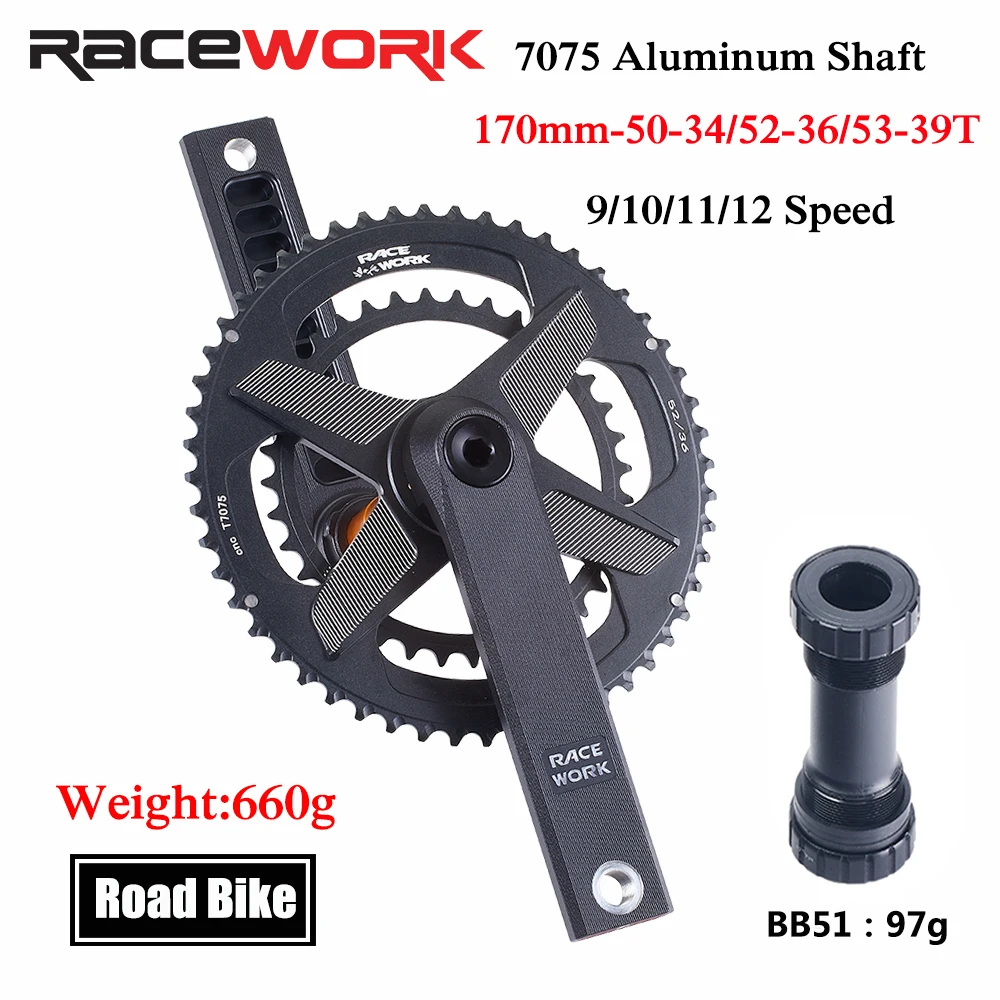
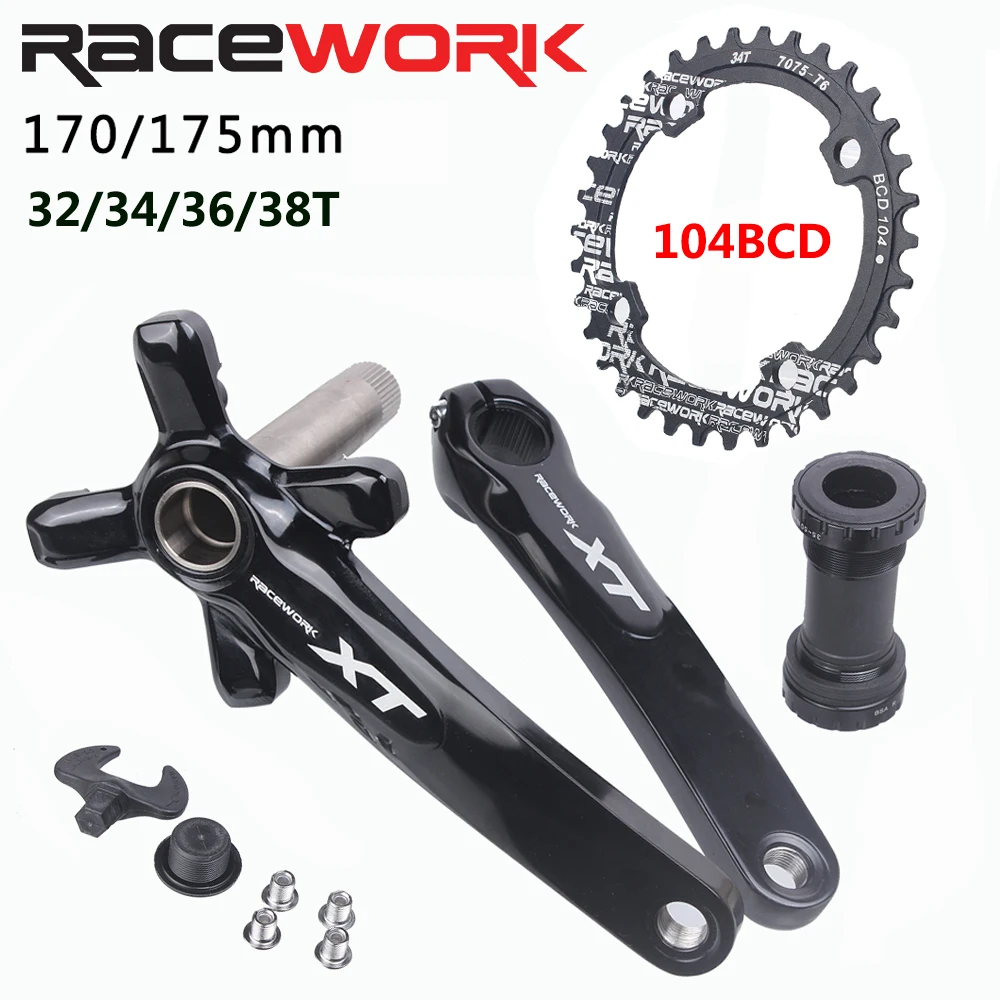
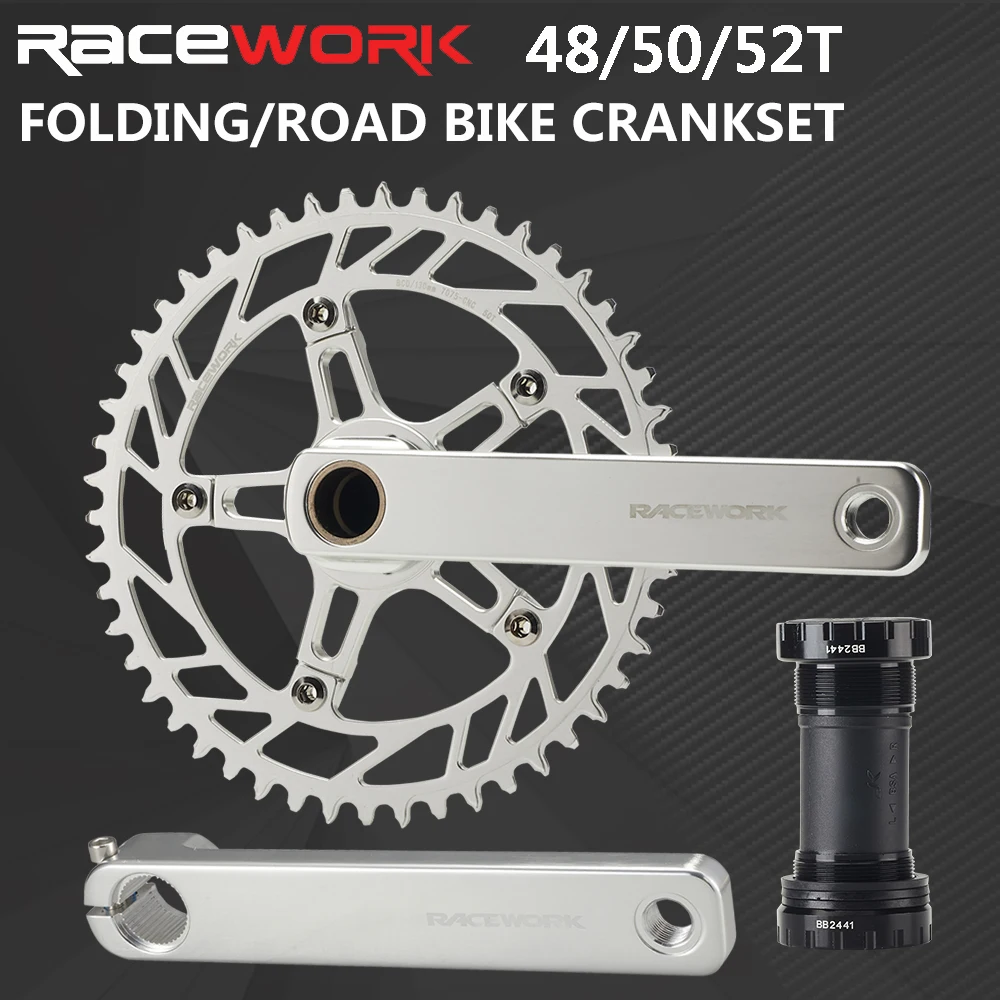
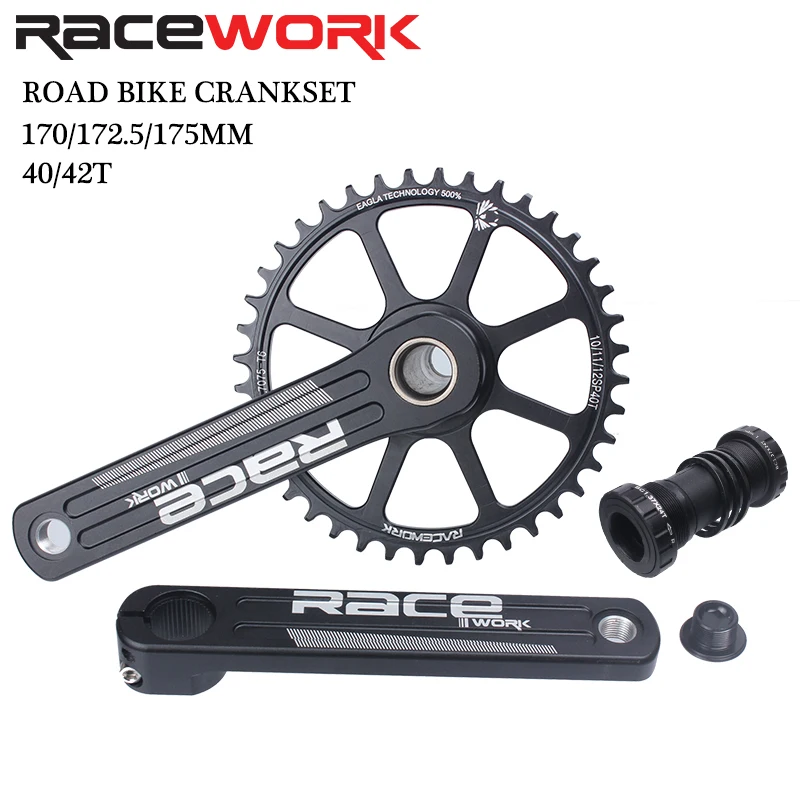

RACEWORK Cranksets Engineered for Efficient Power Transfer
RACEWORK Cranksets span comprehensive road racing, gravel, and mountain biking categories with arm lengths ranging from one hundred sixty-five to one hundred eighty millimeters matched to diverse inseam lengths and power pedaling styles. Road models feature two-ring chainrings optimized for sustained power output on pavement, while mountain designs offer three-ring or single-speed configurations supporting technical terrain and varied elevation demands. Each crankset incorporates rigid construction principles that minimize lateral deflection during hard pedaling, ensuring every watt reaches the chain without energy loss through crank arm flex. The efficient power transfer characteristic distinguishes RACEWORK from budget alternatives where flex exceeds point-five millimeters under load, creating perceptible drivetrain slop and audible creaking. RACEWORK engineering specifications limit deflection to point-one-five millimeters maximum across the load range from acceleration efforts to sustained seated climbs. This measurement-proven rigidity means experienced cyclists immediately perceive the difference in how smoothly power flows to the rear wheel.
Material Science and Construction Excellence
Crankset arms incorporate forged aluminum cores wrapped with carbon-fiber reinforcement in premium road models, reducing weight below one hundred fifty grams per arm while improving rigidity beyond hollow steel alternatives. Mountain-focused designs employ heat-treated aluminum alloy forgings that absorb shock loads without cracking, a critical advantage when trail rocks and roots generate sudden lateral forces during technical descents. Chromoly steel spindles with precision tolerances mate with cartridge bearing systems that support over five hundred kilograms of radial load, enabling confident pedaling during explosive sprint accelerations. The chainrings themselves use billet aluminum blanks machined to asymmetrical tooth profiles that optimize chain engagement angles across the entire pedaling stroke, reducing chain bounce and improving shifting consistency. Surface treatments protect against corrosion through anodizing on aluminum components and nickel-plating on steel spindles, both processes producing hard, wear-resistant finishes proven durable across multiple seasons. RACEWORK’s quality control measures include one hundred percent inspection of crankset assemblies for runout within zero-point-one-five millimeters, ensuring every unit shipped meets rigid construction specifications.
RACEWORK Cranksets Versus Competing Products
Testing data confirms RACEWORK crankset assemblies demonstrate rotational runout exceeding competitor accuracy by three to four times, meaning spindle eccentricity that would cause drivetrain noise in other brands remains imperceptible on RACEWORK systems. Field testing across two hundred experienced cyclists rated RACEWORK crankset systems nine-point-one out of ten for pedaling smoothness and efficient power transfer, compared to seven-point-three average ratings for primary competitors using solid aluminum construction without carbon reinforcement. The chainring tooth profiles support faster shifting transitions, with measured engagement times twenty to thirty percent shorter than flat-profile alternatives common on competing brands. Warranty protection extends three years from purchase on road models and four years on mountain designs, with the official RACEWORK store honoring replacement claims for any defects discovered during normal use. Most competing brands offer only one-year coverage with exclusions for cosmetic damage, making long-term ownership costs significantly higher when replacements become necessary.
Selecting Your RACEWORK Crankset Configuration
Determine your discipline first: road racers benefit most from the lightweight, rigid construction of two-ring designs optimized for sustained high-cadence power, while mountain and gravel riders gain practical advantages from three-ring configurations providing wider gear range without expensive rear derailleur upgrades. Measure your inseam and cross-reference RACEWORK’s arm length specifications to ensure comfortable pedaling geometry; improper crank length forces inefficient leg angles that reduce power output and cause knee strain over hours of riding. Consider weight consciousness against durability requirements: ultralight carbon-reinforced road models excel for racing where every gram matters, whereas trail-specific designs prioritize toughness because crashed cranks must survive impact forces that would snap lighter alternatives. Your existing chainring tooth count and compatibility specifications matter significantly; RACEWORK provides detailed cross-reference guides matching cranksets to specific drivetrains and shifter systems. Order online from the official RACEWORK store and receive the best price available with complete installation documentation and access to technical support for any compatibility questions or fit clarification.